89th Street
We are again the proud owners of our former Community House at 270 W. 89th Street.
The Mishna (Rosh Hashanah 1:1) teaches that “there are four new years…” to the Jewish calendar. Among those:
… the first of Shevat is the new year for trees according to the School of Shammai; the School of Hillel says on the fifteenth thereof.
This time of year is midwinter for us here in New York, but in the land of Israel the short cold rainy season is ending, and buds on the trees are beginning to show.
Tu Bishvat (the fifteenth of Shevat) is at its heart a recognition of the passing seasons, a means through which to increase our awareness of nature’s rebirth, and an expression of our gratitude for the ability of the natural world to provide sustenance for us.
In recognition of this wondrous reality, Jewish tradition over the millennia has been to partake of tree fruits (in particular those associated with the land of Israel: figs, dates, pomegranates, olives, grapes) as a means to unify ourselves with the agricultural reality so central to our tradition.
Over time however, Tu Bishvat has taken on even greater significance beyond its roots:
In the 16th century the Kabbalists of Tzfat innagurated the Tu Bishvat Seder, transforming an agrarian holiday into a celebration of life itself. The tree celebrating its new year came to be understood as representing the Eitz Chayim עץ חים, the Tree of Life. The Seder is designed around the four Kabbalistic worlds; Asiyah עשיה – the world of doing, Yetzirah יצירה – the world of formation, Briyah בריה – the world of creation, and ָAtzilut אצילות – the world of emanation. As the seder progresses, each of the four worlds is marked by eating a kind of tree fruit and drinking cup of wine (mimicking the four cups of the Passover seder); and each level of the seder is meant to bring our attention to a way in which we experience life through the world around us.
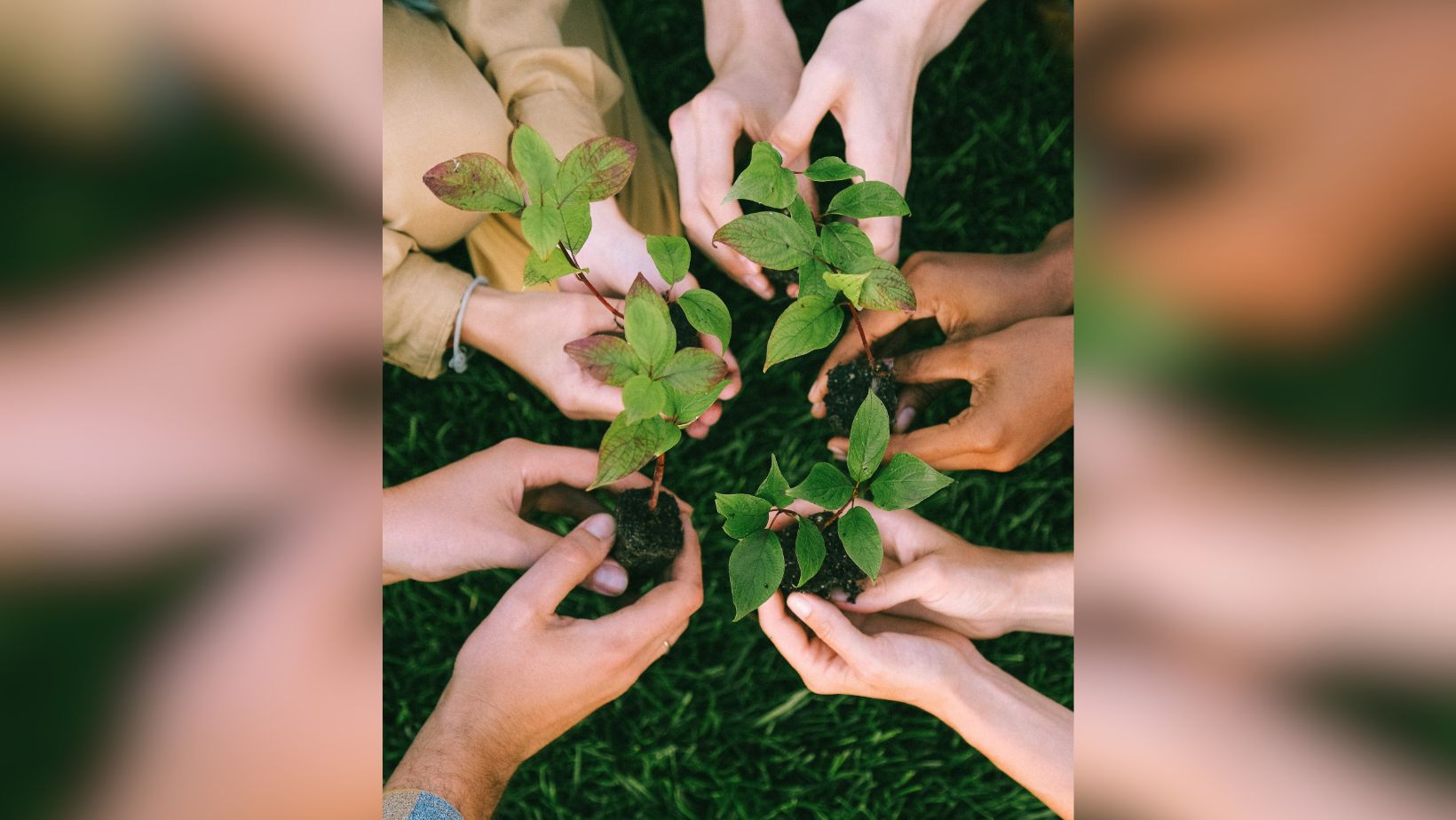
Today, in addition to the mystical traditions of the Tu Bishvat seder environmental significance has come to play a large role in the celebration of Tu Bishvat. Many have the tradition to plant trees, donate to environmental causes, dedicate themselves to a more environmentally conscious lifestyle, or simply spend a little time in nature among the trees.
At BJ we celebrate Tu Bishvat with a communal seder, where we integrate the traditional, mystical and contemporary ‘roots’ of the Tu Bishvat ‘tree.’
Some additional Tu Bishvat resources:
More background on Tu Bishvat as well as articles, facts, and quizzes
Tu Bishvat prayers, songs, environmental resources and more
Tu Bishvat Seder written by Rabbi Dennis and Juia Beck-Berman